

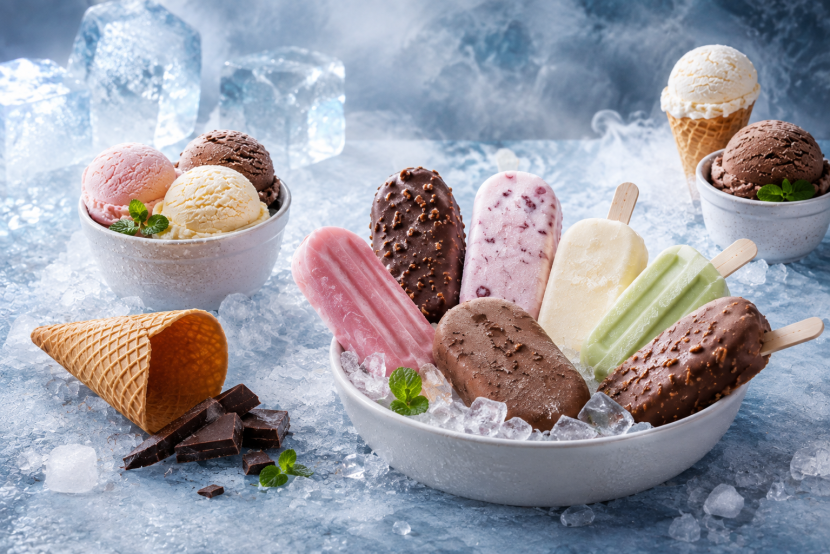
Why Frozen Confectionery in Malaysia is Gaining Popularity: Expert Insights & Industry Opinion
In recent years, frozen confectionery in Malaysia has witnessed a remarkable surge in popularity, with ice cream, ice lollies, and other frozen desserts becoming everyday indulgences for families, businesses, and hospitality operators. This trend isn’t just a fleeting summer craze—it reflects evolving consumer preferences, industry innovation, and a vibrant local market that appreciates both tradition and creativity. In this article, we offer expert insights and industry opinion on why frozen confectionery is thriving in Malaysia, and what this means for consumers and businesses alike.
The Evolving Malaysian Frozen Dessert Market
Malaysia’s love affair with frozen desserts has deep roots, but the modern market is rapidly evolving. While classic treats like ice cream potong and brick ice cream remain nostalgic favorites, today’s consumers have access to a broader range of products, from premium ice cream cups and cones to multi-serving ice cream boxes and sandwiches. This broad product variety caters to diverse tastes and occasions—from quick refreshments to memorable celebrations.
One major driver behind this growth is the country’s warm, tropical climate, which naturally increases demand for cool and refreshing treats. However, there’s more at play than just weather. The expansion of supermarkets, hypermarkets, and convenience stores across urban and rural regions has made frozen confectionery more accessible than ever, ensuring these products are within easy reach of almost every Malaysian household.
Innovation in Flavours and Formats
Expert opinion highlights that innovation is a distinguishing factor in Malaysia’s frozen confectionery sector. Local manufacturers have embraced both global trends and local traditions, introducing a myriad of flavours that reflect Malaysian tastes—from rich chocolate and classic vanilla to durian, mango, and coconut. These unique flavours set Malaysian products apart in the regional market, appealing not only to local consumers but also to visitors and businesses in neighbouring Singapore.
The rise of convenient product formats, such as ready-to-eat ice cream cones, individually portioned cups, and family-sized ice cream boxes, has further propelled the industry. For example, ice cream cones and ice cream cups offer on-the-go convenience for busy consumers and children, while larger ice cream boxes are perfect for gatherings and foodservice use. The traditional sandwich brick ice cream, reminiscent of ice cream potong, continues to be a popular, affordable option for many Malaysians.
Quality, Safety, and Local Manufacturing Advantages
Trust in food quality and safety is paramount for today’s consumers and businesses. Established manufacturers like Marco Polo Creamery (M) Sdn. Bhd. have gained a strong reputation by maintaining robust quality controls, food safety certifications (such as JAKIM Halal, HACCP, and MESTI), and reliable production standards. This commitment reassures retail partners, F&B operators, and end-consumers that every frozen treat meets strict regulatory and quality benchmarks.
Operating a local manufacturing facility brings further benefits. It enables closer control over product consistency, supports rapid product development, and ensures that products are tailored to Malaysian tastes and dietary requirements. It also empowers manufacturers to respond quickly to seasonal demand and market trends. The result is a dynamic frozen confectionery industry that is both resilient and responsive.
Meeting the Needs of Modern Businesses and Consumers
The popularity of frozen confectionery in Malaysia is also being shaped by changing business models and consumer habits. Supermarkets, hypermarkets, and convenience stores now rely on a steady supply of ready-to-sell frozen products—cones, sticks, cups, and bricks—that encourage impulse purchases and drive repeat visits. For F&B operators, individually packaged ice creams are a simple way to expand dessert offerings, while bulk and box formats provide flexibility for catering and events.
Private label and OEM solutions have also become more prevalent, as businesses seek to offer unique, branded frozen treats. By partnering with trusted Malaysian manufacturers, retailers and hospitality operators can develop signature products without investing in their own production facilities. This trend is particularly evident among hotels, event venues, and specialty retailers looking for exclusive dessert experiences.
Industry Opinion: What Lies Ahead for Malaysia’s Frozen Confectionery Sector?
Industry experts agree that the outlook for frozen confectionery in Malaysia is bright. The market’s steady growth is fueled by a combination of factors—favorable climate, consumer openness to new flavours, reliable quality, and innovative manufacturing. As the segment matures, we anticipate continued expansion in product variety and distribution, supported by strong food safety standards and creative marketing initiatives.
It’s also likely that sustainability and healthier options will become increasingly important, with more manufacturers exploring natural ingredients, reduced sugar variations, and eco-friendly packaging. Businesses and consumers who value both convenience and quality can expect even more choices as the sector evolves.
Conclusion
The rise of frozen confectionery in Malaysia is the result of a dynamic blend of tradition, innovation, and industry expertise. Whether you’re a consumer seeking a refreshing treat, a retailer stocking local favourites, or an F&B operator expanding your menu, the Malaysian frozen dessert market offers something for everyone. By prioritizing quality, variety, and local relevance, Malaysia’s frozen confectionery industry is well-positioned to keep delighting customers for years to come.
Frequently Asked Questions
What types of frozen confectionery are popular in Malaysia?
Popular frozen confectionery in Malaysia includes ice cream cones, sticks, cups, sandwich brick ice cream (potong), and multi-serving ice cream boxes. Local flavours, such as durian and coconut, are especially well-loved.
Why are Malaysian frozen desserts gaining popularity with businesses?
Businesses appreciate Malaysian frozen desserts for their diverse formats, reliable supply, and product consistency. Manufacturers offer options like individually packaged cones, cups, and bulk boxes, which are ideal for supermarkets, convenience stores, F&B operators, and hospitality venues.
How do manufacturers ensure the quality and safety of frozen confectionery products?
Leading Malaysian manufacturers maintain strict food safety controls, follow recognized certifications (like JAKIM Halal, HACCP, and MESTI), and operate local facilities to ensure consistent quality and compliance with regulations.
Are there OEM and private label opportunities for ice cream in Malaysia?
Yes. Many Malaysian manufacturers offer OEM and private label services, allowing businesses to develop their own branded frozen confectionery products without investing in production infrastructure.
Where can I buy traditional brick ice cream or ice cream potong in Malaysia?
Traditional brick ice cream and ice cream potong are available through local manufacturers, supermarkets, minimarkets, and specialty suppliers. For example, Marco Polo Creamery (M) Sdn. Bhd. offers sandwich brick ice cream for both retail and wholesale customers.
Discover Malaysia’s Favourite Frozen Confectionery with Marco Polo Creamery
Ready to experience the best of Malaysia’s frozen desserts? Marco Polo Creamery (M) Sdn. Bhd. offers a wide range of ice cream cones, sticks, cups, boxes, and sandwich brick ice cream—perfect for retailers, F&B operators, and families. Explore our variety of flavours and formats, or partner with us for private label and OEM manufacturing solutions. Enjoy trusted quality, local flavours, and reliable support from Malaysia’s experienced frozen confectionery manufacturer.